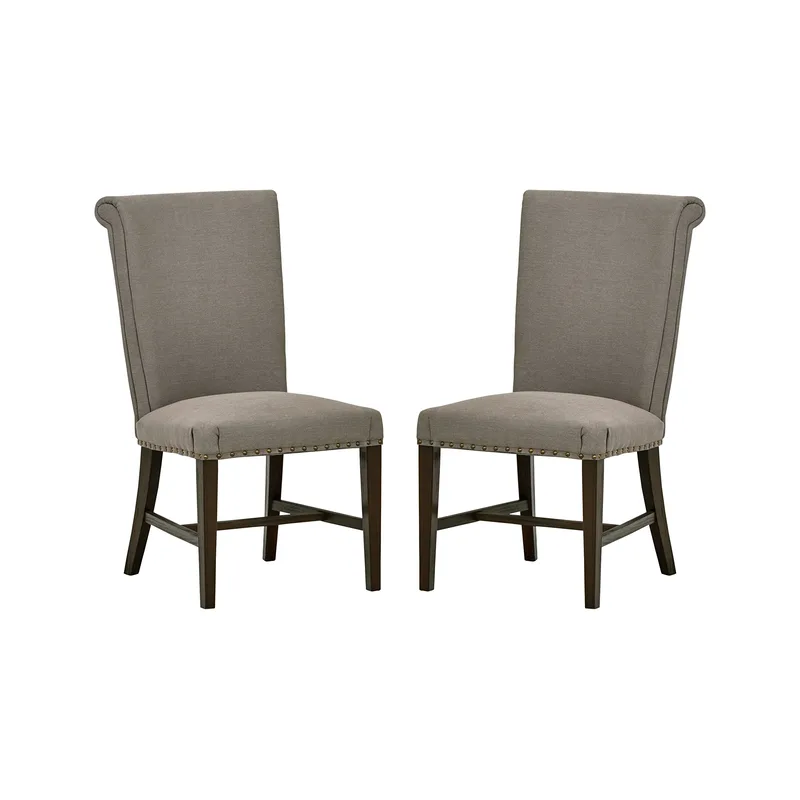
Anchor product
Jenny High-Back Dining Chair, Set of 2
$349.00
- Dining chair
- Rolled back
- Dark tapered legs
- Slate grey
How it works
Fulcrum captures every single interaction from every single user every single time. Continuous data collection on what each individual user does powers highly personalized experiences, increasing engagement and accelerating conversion.
Fulcrum employs custom algorithms targeted to specific users that are proven formulas to generate increased conversion and incremental revenue.
Coverage
Fulcrum automatically identifies a user based on their segment and generates personalized experiences and product recommendations that match the user's behavior, as well as their stage within the funnel/customer journey.
Item-to-item matching on type, brand, price band and material.
See an example →Products that actually co-occur in your order history.
See an example →Affinity across sessions, surfacing adjacent categories.
See an example →Products visitors compare in the same session.
See an example →The visitor's own browsing history, brought back into view.
Real-time product velocity, matched against inventory.
Exit intent triggers an on-site recovery moment.
A predicted reorder interval per customer, timed to when they run out.
Selection
Four algorithms above are each shown against one viewed product for three visitors Fulcrum knows different things about. The viewed product stays the same. The recommendations change with the visitor, and each one states why it earned its slot.
Products, prices and visitor personas are examples, not client data. Product images are from Amazon Berkeley Objects and licensed under CC BY 4.0.
Visual similarity
This algorithm compares product images by shape, proportions, legs, upholstery and colour. It does not need order history, so it can recommend new products immediately. It excludes chairs the visitor has already saved or bought.
Anchor product
$349.00
Visitor A
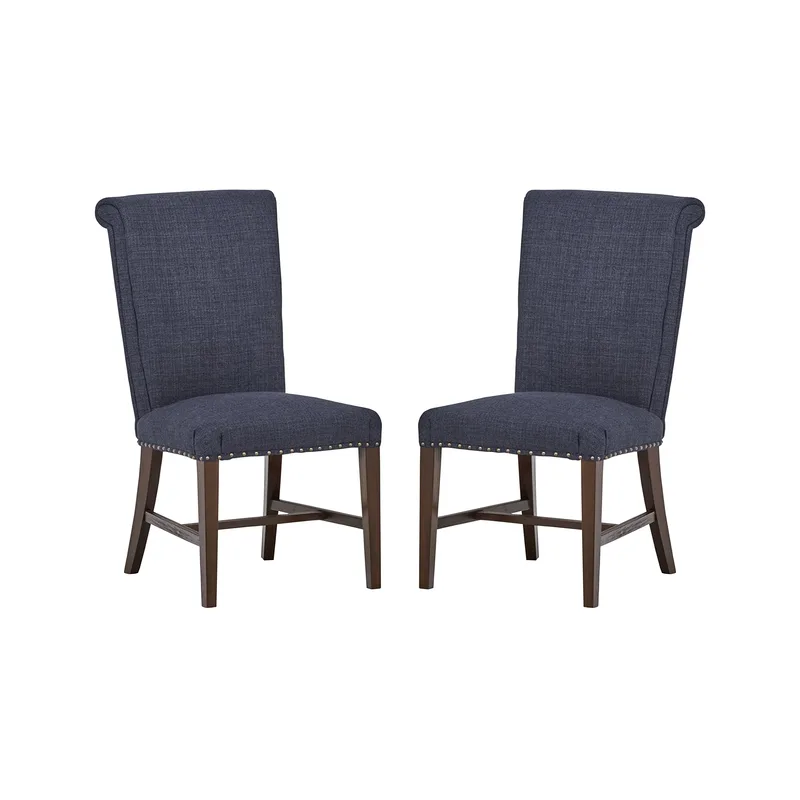
Why: Same design and dimensions in navy.
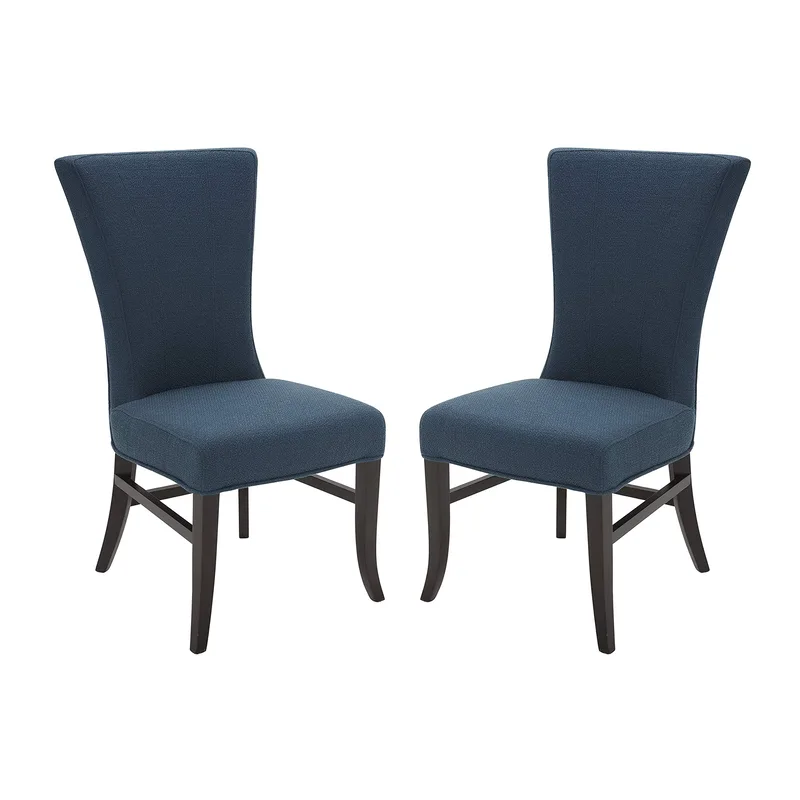
Why: Rolled back, dark tapered legs and similar price.
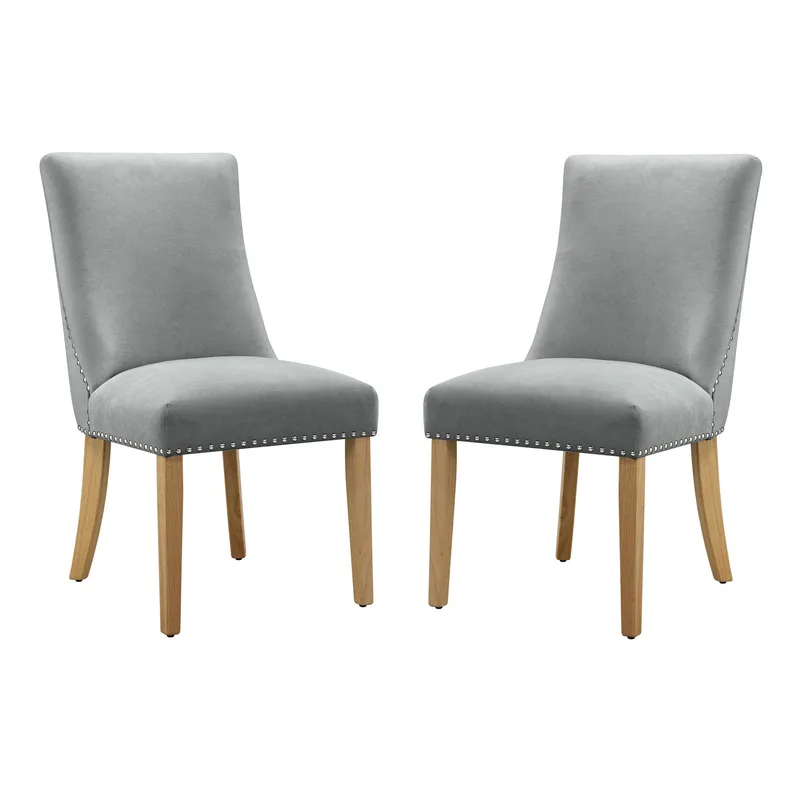
Why: Similar curved back, nailhead trim and oak legs.
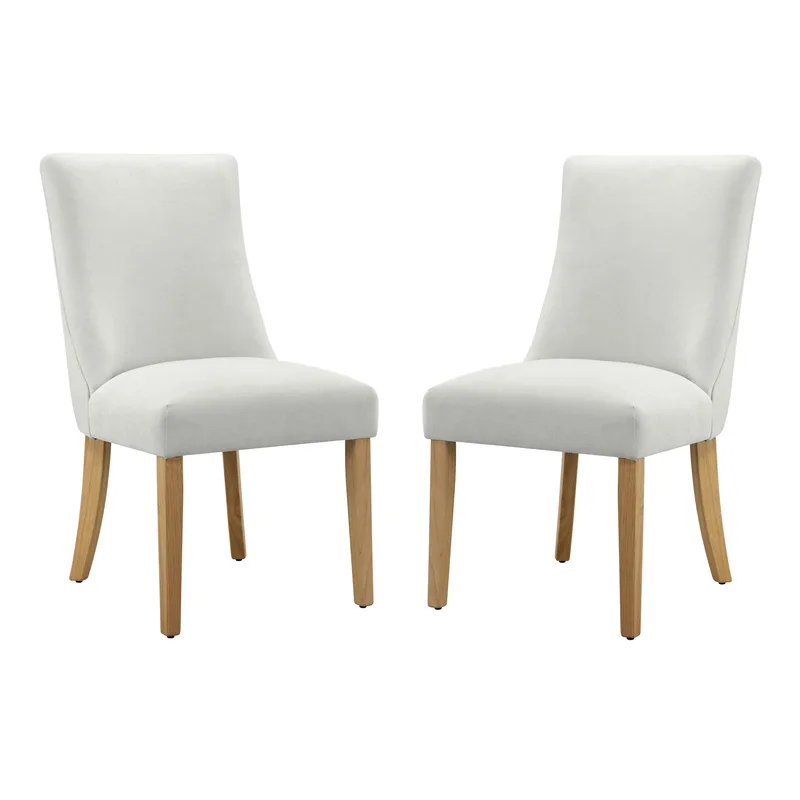
Why: Similar silhouette in a lighter neutral colour.
Visitor B
Why: Closest match after removing navy Jenny.
Why: Similar curved back, nailhead trim and oak legs.
Why: Similar silhouette in a lighter neutral colour.
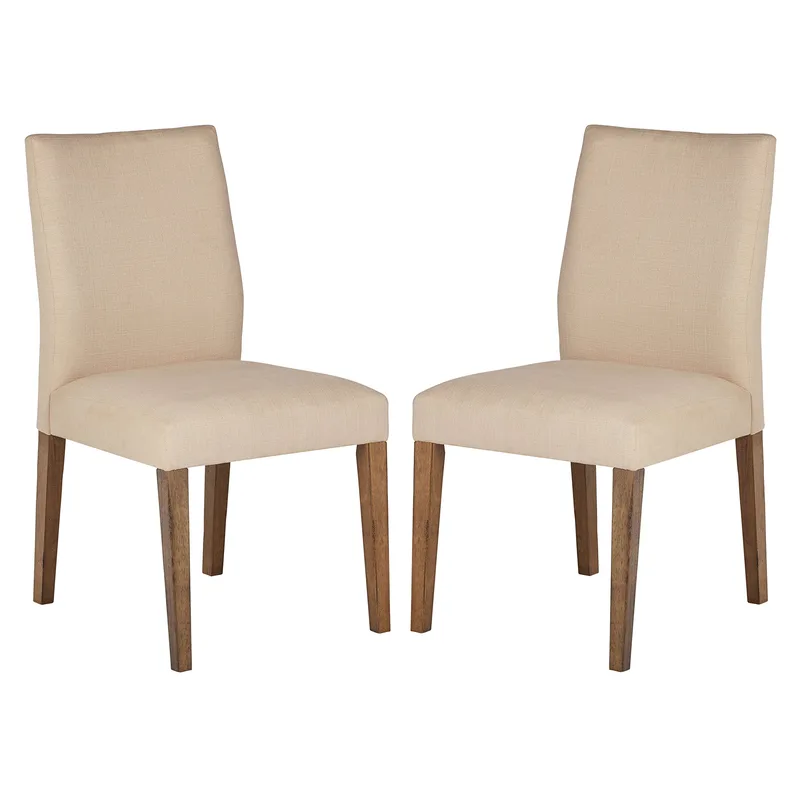
Why: Similar wood legs at a lower price.
Change: The navy Jenny drops out because it is already saved. Hughes takes the fourth position as the next closest visual match.
Visitor C
Why: Same design and dimensions in navy.
Why: Rolled back, dark tapered legs, similar price.
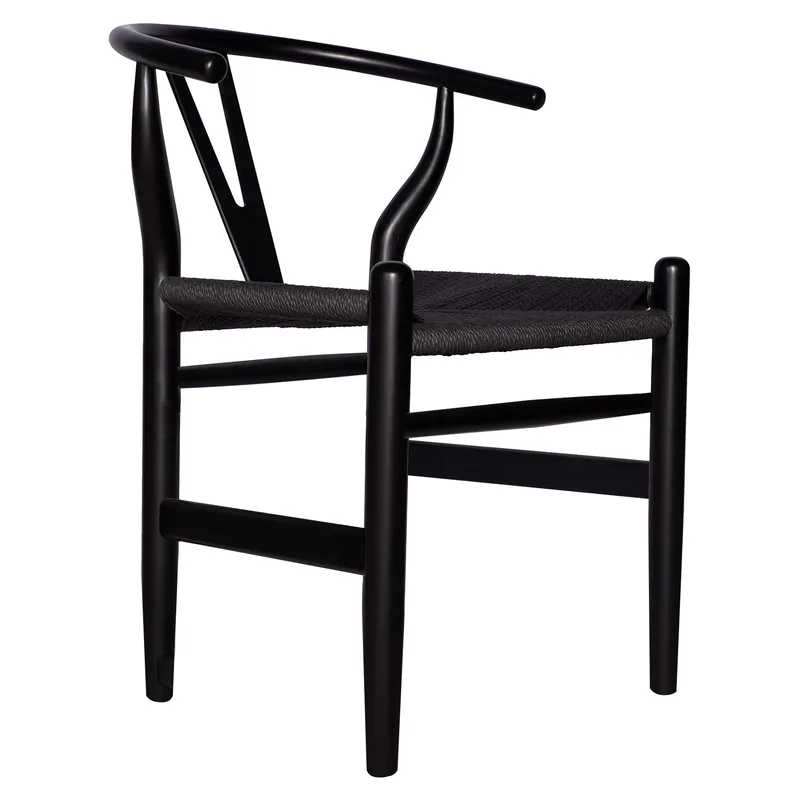
Why: Different silhouette for a second room.
Why: Similar wood legs at a lower price.
Change: Both Lamberton chairs drop out. The visitor owns the grey frame, and the beige chair is the same design in another colour. Wishbone and Hughes fill the slots.
Products rank first by visual similarity, then by price. The algorithm works without order history, including for new and low-volume products. When history exists, it removes products the visitor has saved or bought.
Frequently bought together
This algorithm uses order history to find products commonly purchased with the coffee maker. It recommends complementary products rather than alternatives and skips anything the visitor has already bought or has in the cart.
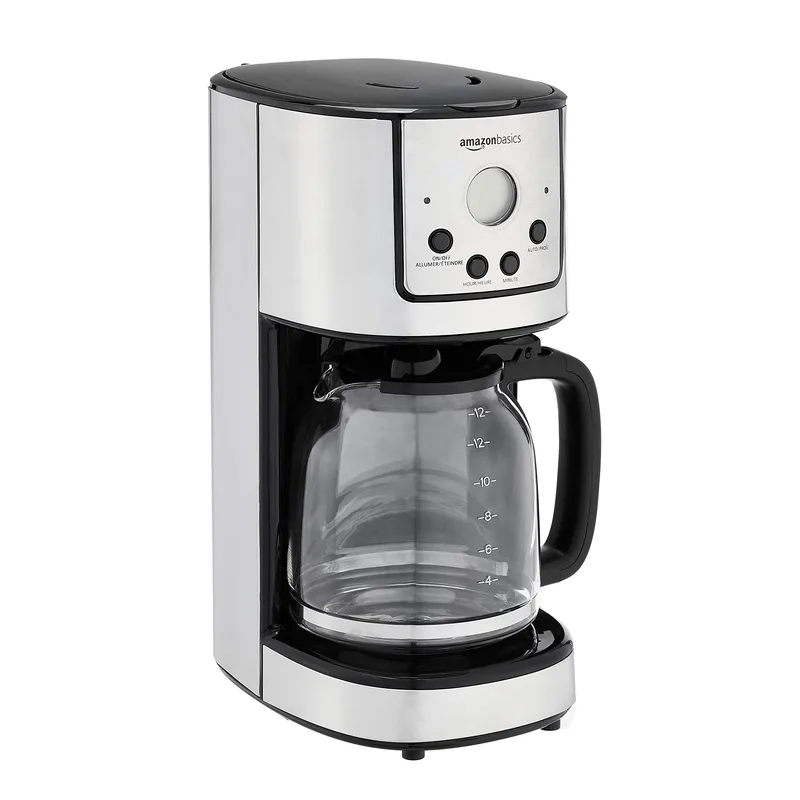
Anchor product
$54.99
Visitor A
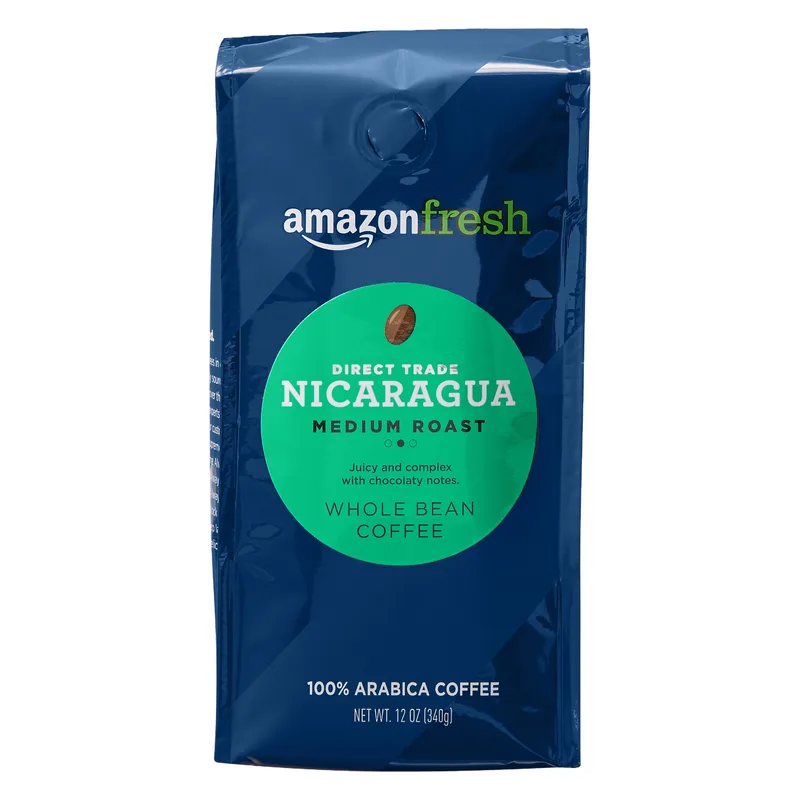
Why: Most often bought with this coffee maker.
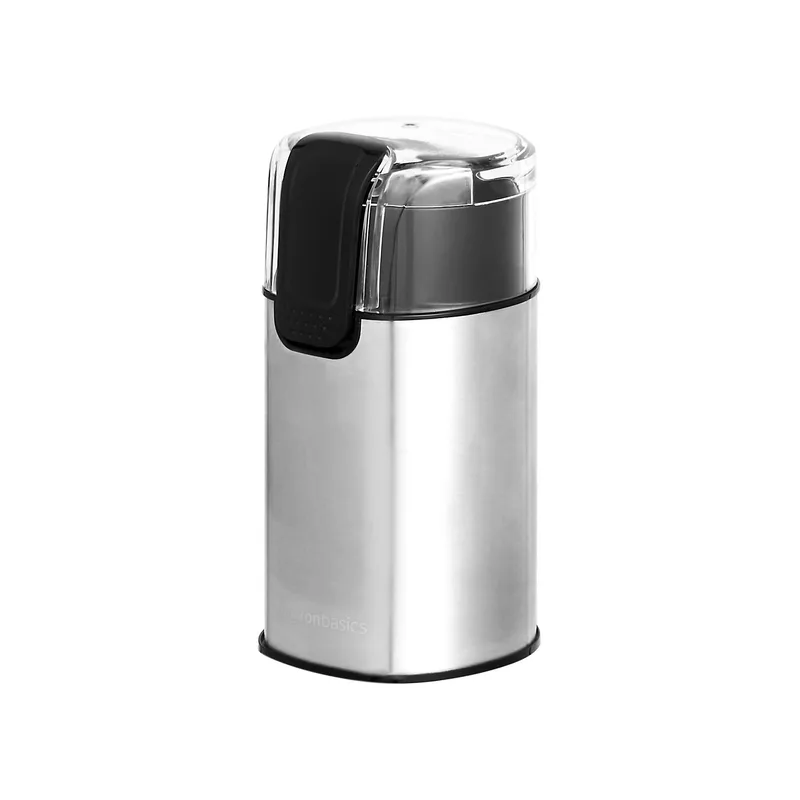
Why: Often bought with the maker and whole beans.
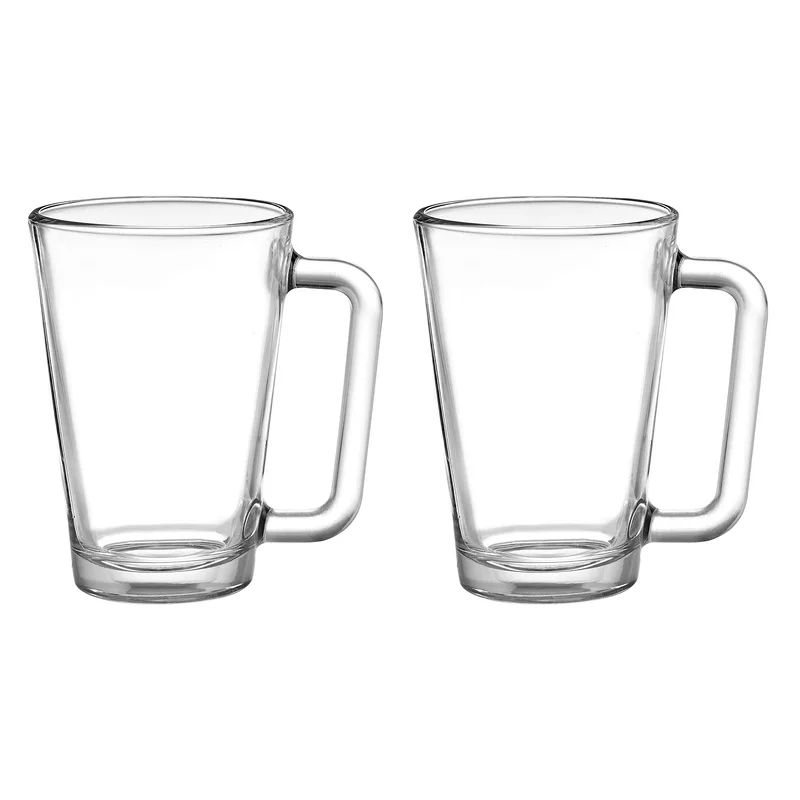
Why: Most common drinkware purchase with this maker.
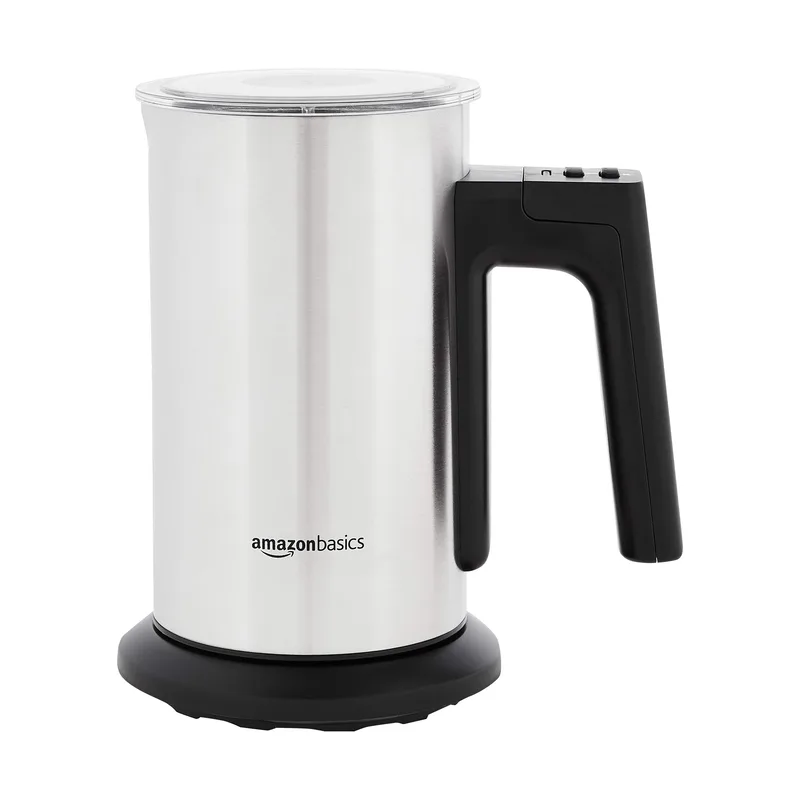
Why: Bought with this maker less often.
Visitor B
Why: Most often bought with this coffee maker.
Why: Most common drinkware purchase with this maker.
Why: Bought with this maker less often.
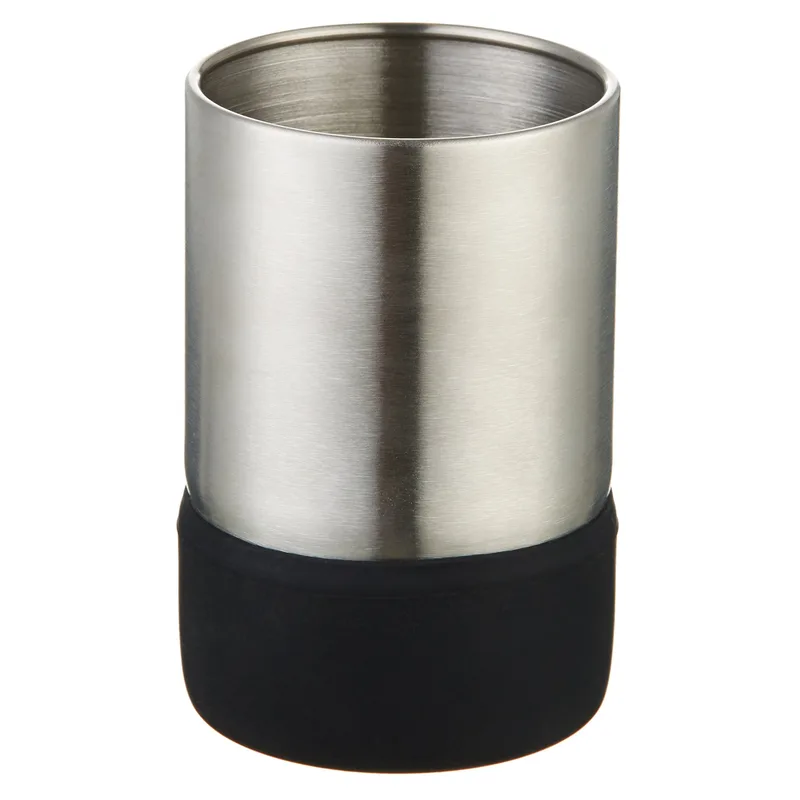
Why: Bought with this maker by grinder owners.
Change: The grinder drops out because it shipped last month. The tumbler takes its place because grinder owners buy it with this maker more often than anyone else.
Visitor C
Why: First: beans are in the basket, but no grinder.
Why: Most common drinkware purchase with this maker.
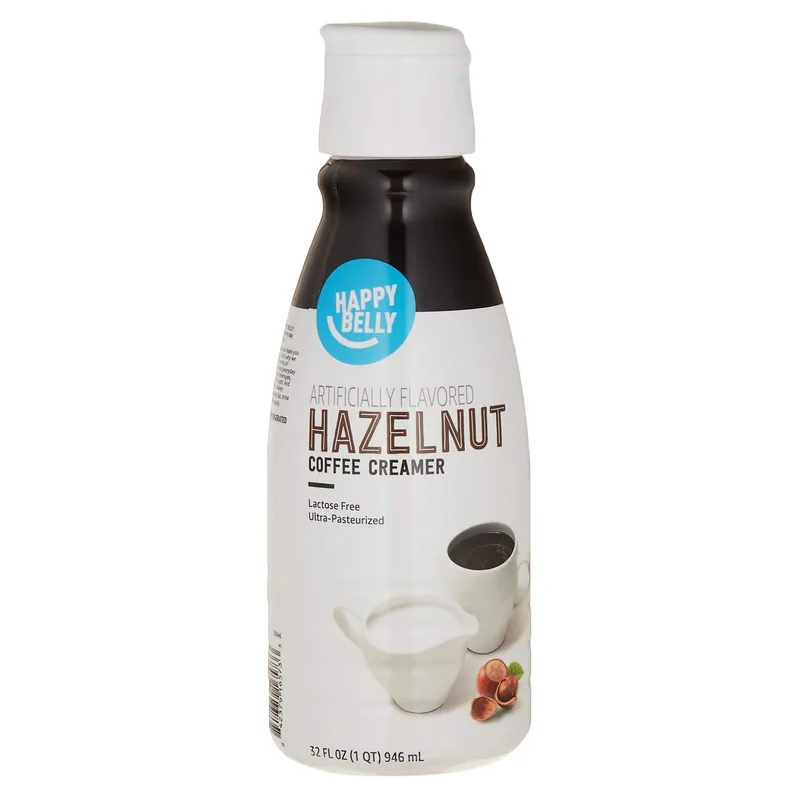
Why: Most common consumable added alongside beans.
Why: Bought with this maker less often.
Change: The beans drop out because they are already in the cart. The creamer takes their place because it is the consumable most often added alongside beans in the same basket.
Ranking reflects how often products are bought with this maker compared with alone. Recommendations update as order patterns change. Products already owned or in the basket are removed before ranking.
Customers also bought
This algorithm looks across customer purchase history, not just one order. It finds products bought by the same customers in later purchases, then removes what this visitor has already bought or is carrying.
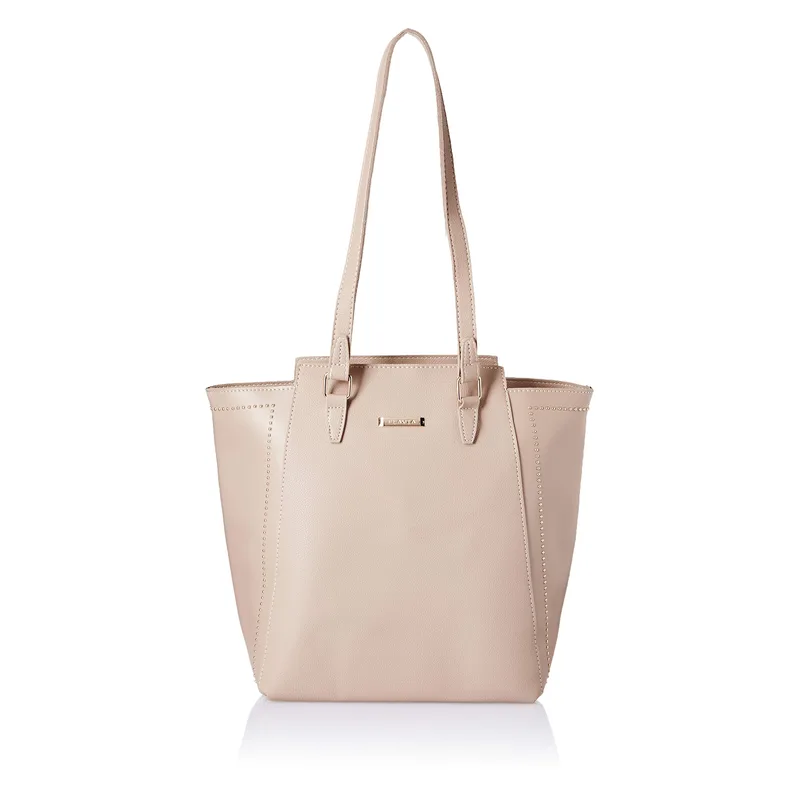
Anchor product
$47.99
Visitor A
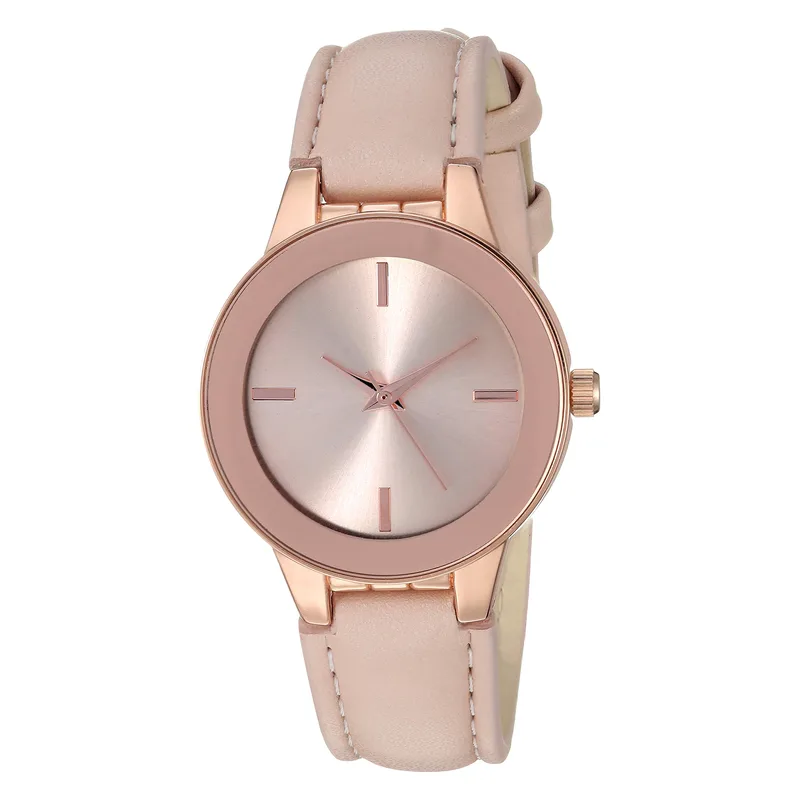
Why: Tote buyers choose this watch more often.
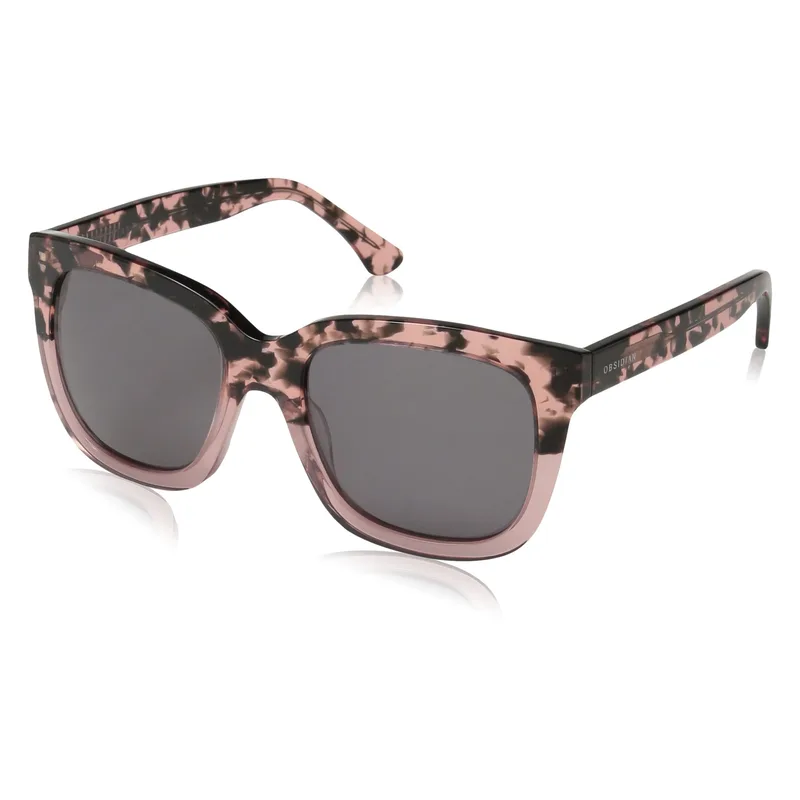
Why: Often bought after this tote.
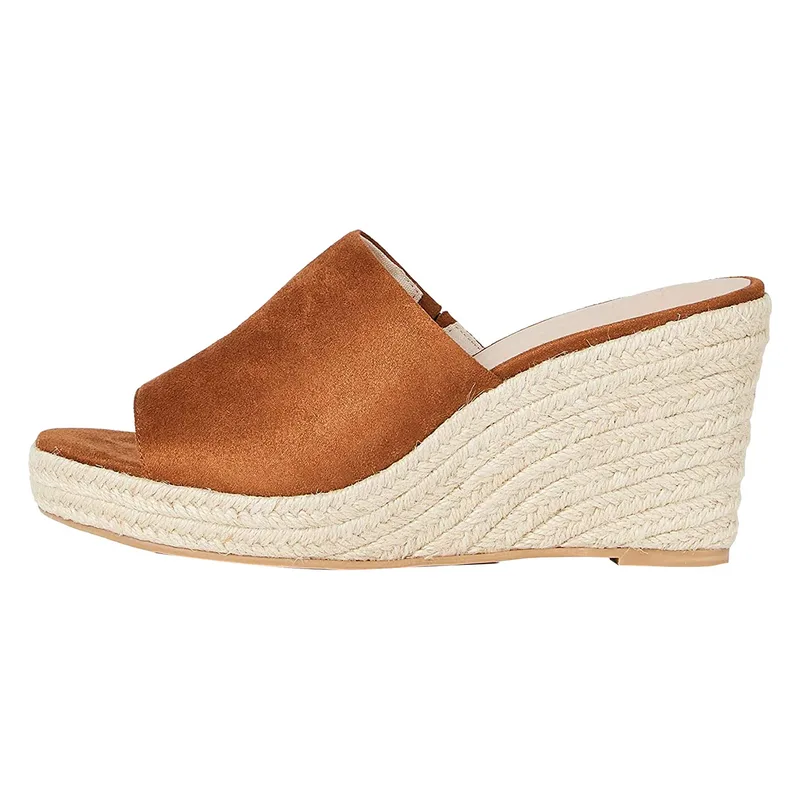
Why: Most common next category for tote buyers.
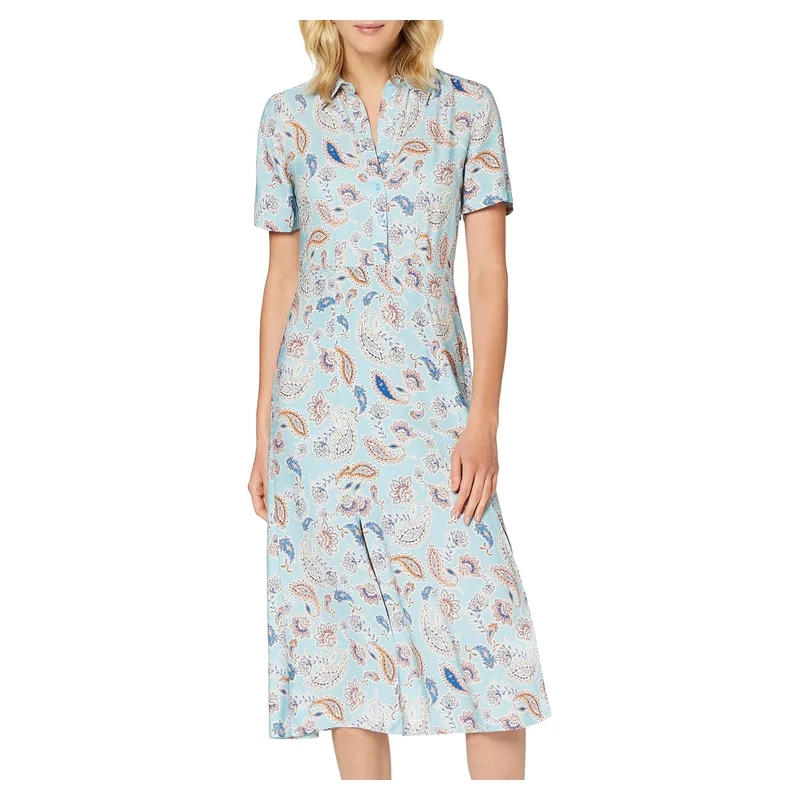
Why: Most common apparel purchase for tote buyers.
Visitor B
Why: First after removing the watch.
Why: Most common next category for tote buyers.
Why: Most common apparel purchase for tote buyers.
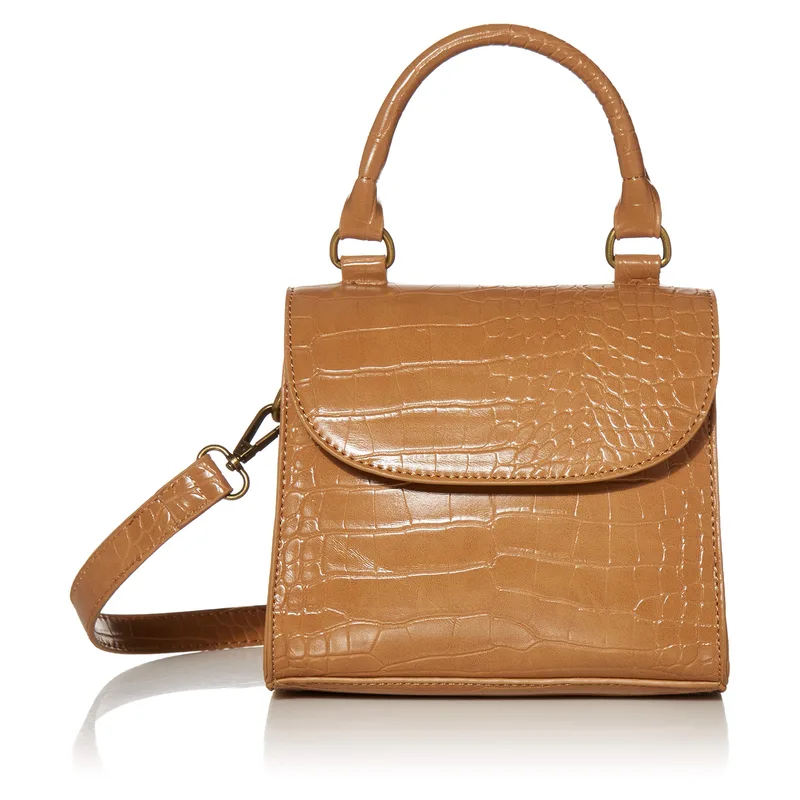
Why: Most common second bag for this cohort.
Change: The watch drops out because it was bought in the spring. The crossbody takes its place because customers who own this tote and watch buy a second bag more often than anything else.
Visitor C
Why: Tote buyers choose this watch more often.
Why: Often bought after this tote.
Why: Most common apparel purchase for tote buyers.
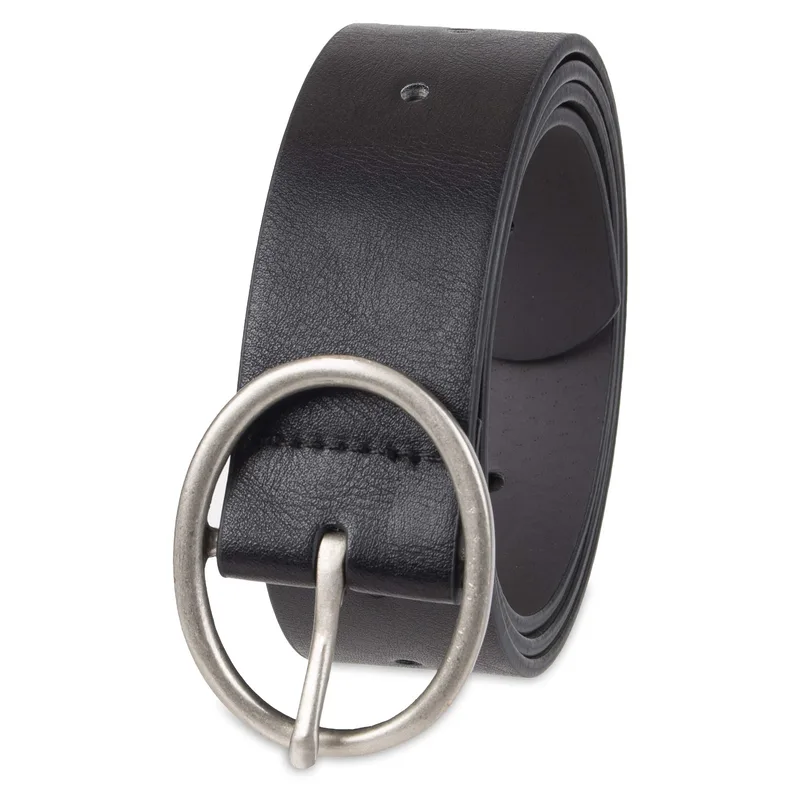
Why: Most common accessory added with the wedge.
Change: The wedge drops out because it is already in the cart. The belt takes its place because it is the accessory most often added to a basket holding the wedge.
This algorithm uses customer purchase behaviour, not product attributes. It finds cross-category relationships that are difficult to define manually. It never spends a slot on something the visitor already owns.
Viewed together
This algorithm reads which products visitors view in the same session, not what they buy. Products most often viewed with this necklace rank highest. Products this visitor has already compared are removed so the row keeps moving.
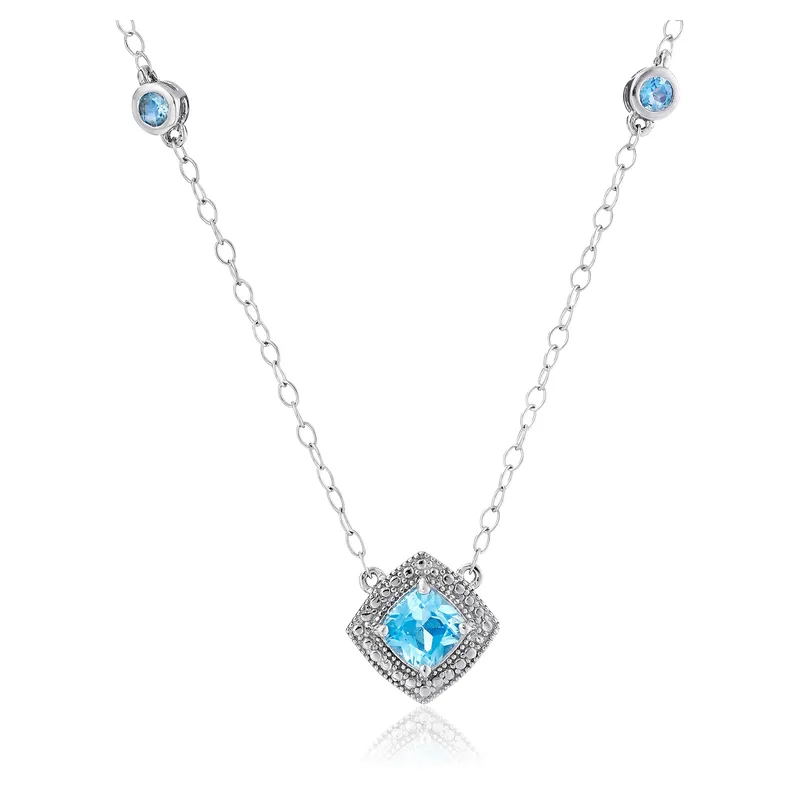
Anchor product
$128.00
Visitor A
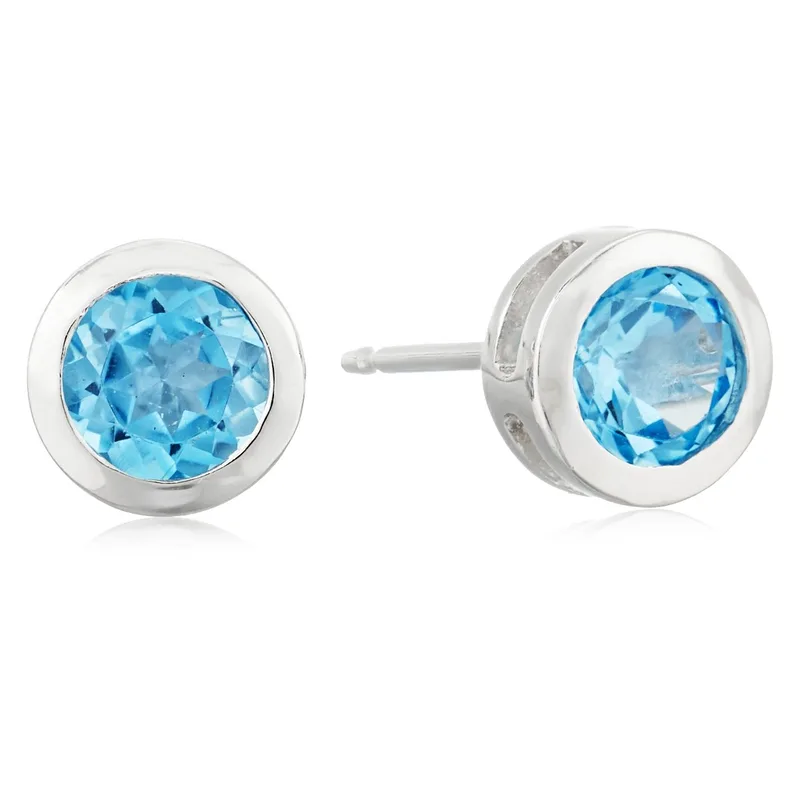
Why: Most often opened with this necklace in a session.
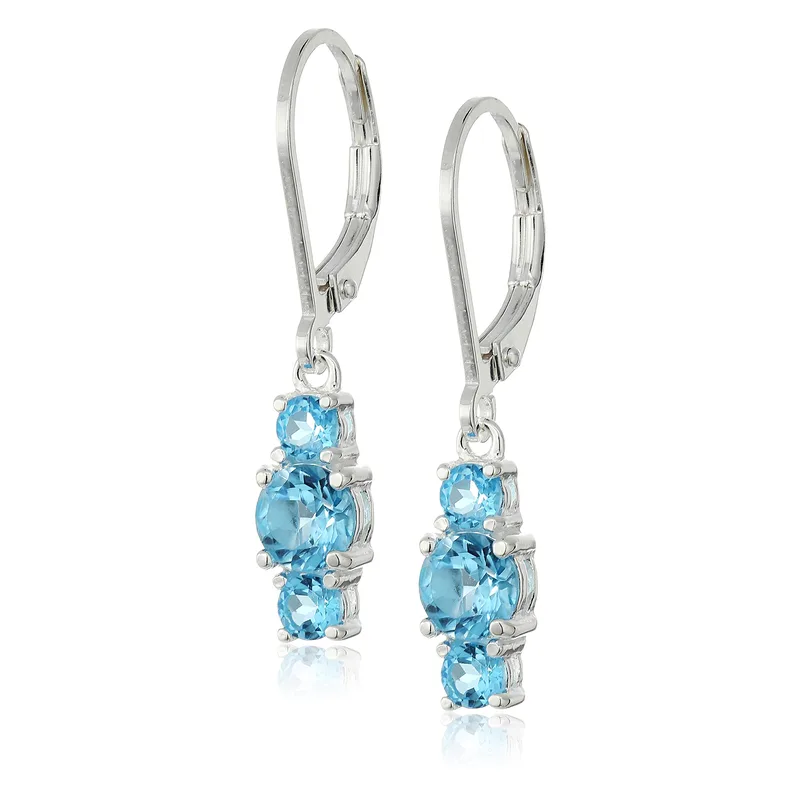
Why: Earring style visitors compare with the studs.
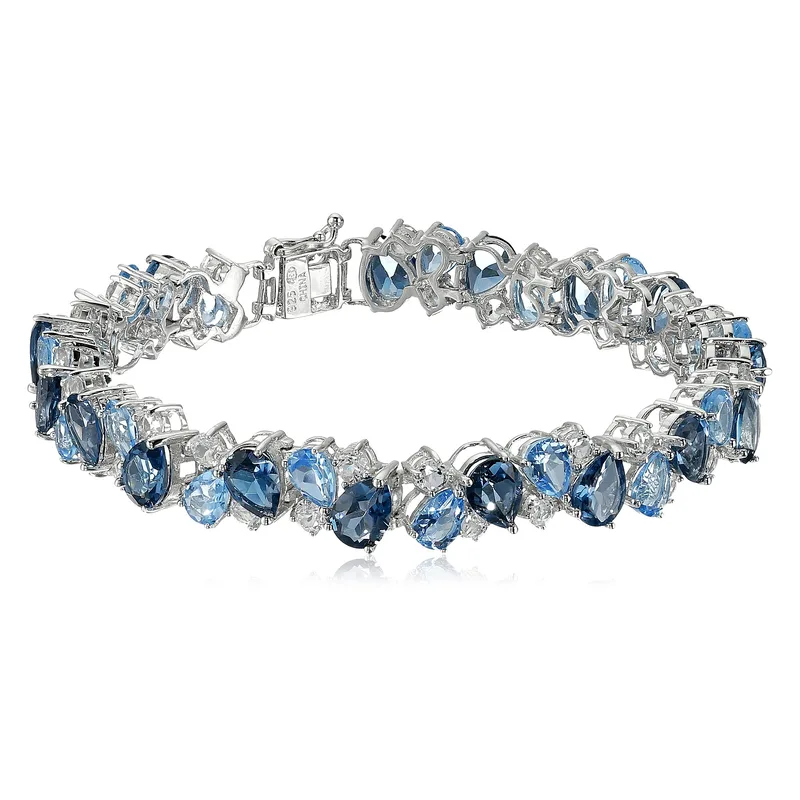
Why: Frequently viewed with this necklace in a session.
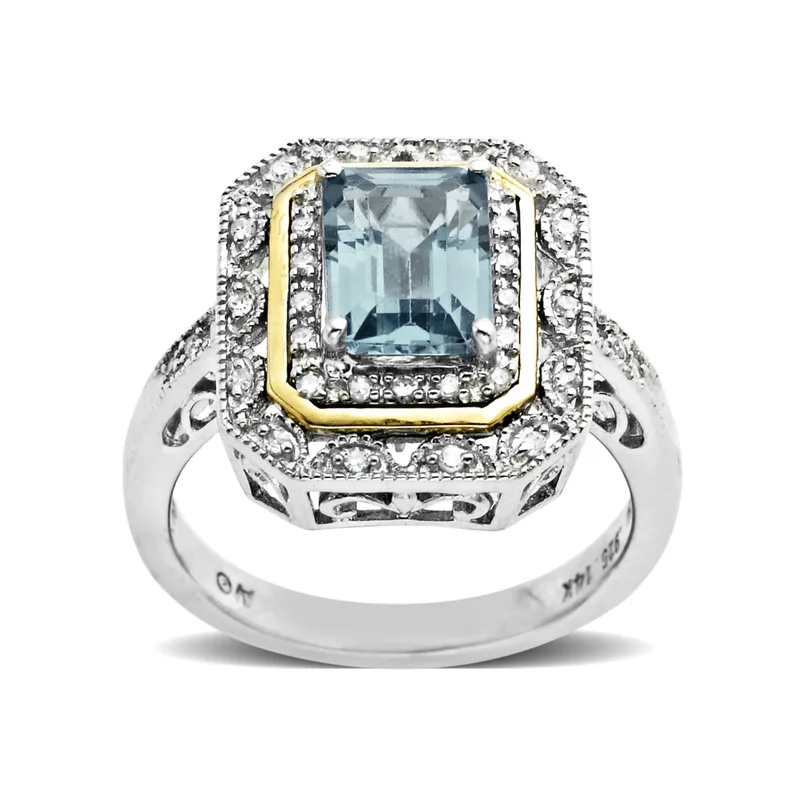
Why: Viewed less often with this necklace.
Visitor B
Why: First after both earring styles were viewed.
Why: Viewed less often with this necklace.
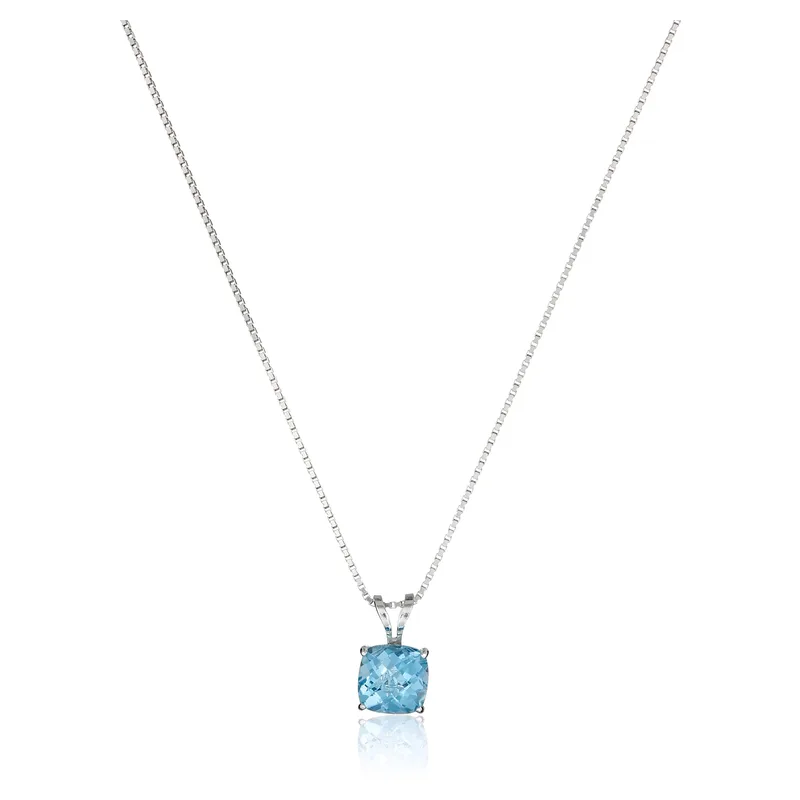
Why: Necklace visitors open next after the earrings.
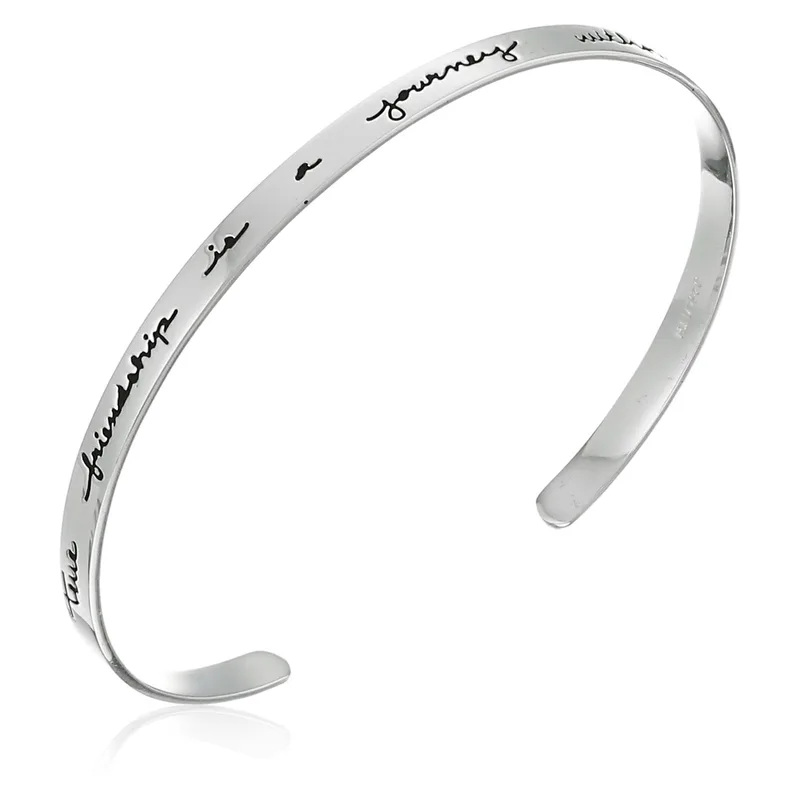
Why: Entry-price piece from the same sessions.
Change: Both earrings drop out because this visitor already opened them side by side this session. The pendant and cuff fill their slots.
Visitor C
Why: First after two views in this session.
Why: Most often opened with this necklace in a session.
Why: Necklace most often compared with this one.
Why: Bracelet the visitor does not already own.
Change: The bracelet drops out because it is already owned. The ring moves to the front after two views today, and the cuff fills the open slot.
Session co-viewing is available as soon as a product goes live because it uses browsing behaviour, not completed orders. Products the visitor has already opened or owns are removed before ranking.
Freshness
Every night, Fulcrum rereads the entire product structure of your e-commerce store as well as inventory and applies the new behaviors seen that day from users based on purchases, product views, etc. All this information is used to constantly fine-tune the algorithms that are delivering personalized experiences and product recommendations to every user on your site every day.
Trust
A small, fixed 10% of your traffic never sees personalization - for the entire length of your contract. Comparing that group against everyone else, at the end of your 12-month term, is the entire basis for your guaranteed number.
Runs continuously for the full contract term, not a one-time test.
Calculated once, at the end of the term, using the conservative lower bound of the result.
This is the number behind your guarantee. See the guarantee .
Getting live
Connection, configuration, and design review all happen before you ever see a change on your site, so what goes live is already approved, tested, and ready.
A first-party, server-side integration on Shopify Plus or BigCommerce. No pixels, nothing new for your team to maintain.
We apply the full algorithm suite to your catalog and purchase history. Every recommendation type, live from day one.
You see exactly where and how recommendations will appear across your site before anything goes live.
Every surface activates together, and the entire suite rebuilds itself overnight from there on, so what visitors see always reflects your latest catalog.
Common questions
It is based on holdout lift: the difference in revenue per user between personalized traffic and a fixed 10% randomized holdout that never sees personalization. We calculate it once, at the end of your 12-month term, at a 95% confidence level, and guarantee the conservative lower bound.
We measure one thing: the difference in revenue per user between your holdout group and everyone else over the full term. Your guaranteed figure is the conservative lower bound of that range, not a raw total.
There is no interim evaluation. We calculate the lift exactly once, at the end of the 12-month term, at a 95% confidence level. A result qualifies when its lower bound is above zero.
No. Pricing is based on monthly visitors, which is separate from the outcome guarantee. The nightly recompute and full algorithm suite are included at every tier.
There is one number now. The holdout lift IS the guarantee basis - the holdout is not a separate check on some other figure.